The Last Supper of Jesus Christ and the meal described in Surah Al-Ma’idah of the Qur’an both hold significant theological and historical importance in their respective religious traditions. However, while these two accounts share some thematic similarities, they also reveal distinct perspectives on Jesus, his disciples, and the nature of the divine acts surrounding them. To understand the relationship between these two meals, it’s crucial to explore both the Christian and Islamic accounts in detail, highlighting the similarities, differences, and underlying messages each tradition conveys.
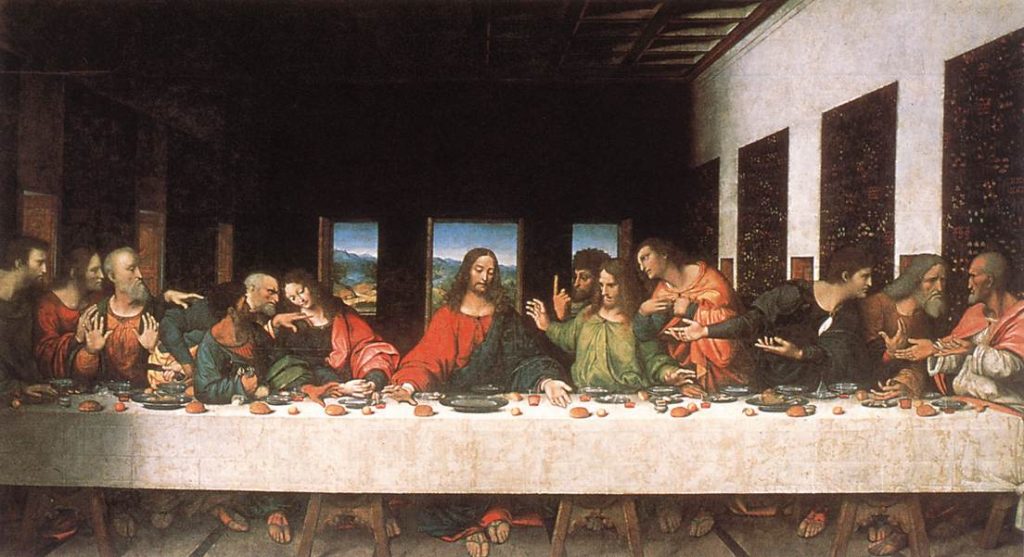
The Last Supper in Christian Tradition
The Last Supper, as recorded in the Gospels of the New Testament, is a pivotal moment in the life of Jesus Christ. It is portrayed as the final meal shared by Jesus and his disciples before his crucifixion, marking the establishment of the Eucharist (Holy Communion) in Christian theology. During this meal, Jesus breaks bread and shares wine with his disciples, symbolizing his body and blood, which will be sacrificed for the redemption of humanity. The event is described in the synoptic Gospels (Matthew, Mark, and Luke), with a more detailed theological exposition in the Gospel of John.
The Last Supper has profound significance for Christians, serving as a reminder of Jesus’ sacrificial death and his teachings about love, sacrifice, and the establishment of a new covenant between God and humanity. The meal also highlights Jesus’ foretelling of his betrayal by one of his disciples (Judas Iscariot) and his eventual arrest, signaling the beginning of the Passion.
The Meal in Surah Al-Ma’idah: The Request of the Disciples
In Islamic tradition, Surah Al-Ma’idah (The Table Spread) narrates an event where the disciples of Jesus, known as “Hawariyyun,” ask him to request a special meal from God. The disciples ask Jesus to pray to God to send down a table spread with food from heaven, as a sign to confirm their faith and strengthen their belief in his mission. The Qur’anic account, found in verses 112–115 of Surah Al-Ma’idah, is presented as a moment of divine revelation and miracle.
In the Qur’anic narrative, Jesus responds by reminding his disciples that they should be cautious in asking for such a miraculous sign, emphasizing that God has already sent signs through him and that true belief is in the unseen. Nevertheless, when the disciples insist, Jesus prays to God, and a heavenly table with food is sent down. However, this meal is not merely a physical provision; it serves as a sign of God’s mercy and power, as well as a test for the disciples’ sincerity and gratitude.
The key themes in the Qur’anic story of the meal include divine provision, the testing of faith, and the emphasis on God’s sovereignty and omnipotence. Unlike the Last Supper in Christian tradition, which focuses on Jesus’ impending sacrifice and the establishment of a new covenant, the meal in Surah Al-Ma’idah reflects the relationship between Jesus, his disciples, and God’s miracles, providing a sign of divine approval but not a theological institution like the Eucharist.
Comparative Analysis: Similarities and Differences
1. Divine Miracles:
- Both accounts feature miraculous meals—one in which bread and wine are used as symbols of Jesus’ body and blood, and another where a table of food is sent from heaven. In both traditions, the meal serves as a moment of divine intervention, where God’s power is revealed.
- In Christianity, the Last Supper is a symbolic act, central to the Christian faith as the foundation of the Eucharist, a ritual that connects believers to the sacrifice of Jesus. In contrast, the meal in Surah Al-Ma’idah is seen as a sign of God’s power and a way to confirm the faith of the disciples, rather than establishing a religious practice.
2. Purpose and Message:
- The Christian Last Supper has a deeply sacrificial and redemptive message, focusing on the atonement of sins through Jesus’ body and blood. It emphasizes love, sacrifice, and the establishment of a new covenant between humanity and God.
- The meal in Surah Al-Ma’idah, however, is primarily a test of faith. While it also highlights God’s mercy and power, the focus is on the relationship between the disciples and God, and the importance of gratitude and belief without the need for further miracles.
3. The Role of the Disciples:
- In the Christian narrative, the disciples are present at the Last Supper, receiving Jesus’ teachings and partaking in the sacrament. However, the moment is tinged with the betrayal of Jesus by Judas and the eventual abandonment of Jesus by his followers during his arrest and crucifixion.
- In the Islamic narrative, the disciples are depicted as faithful followers of Jesus, asking for a sign from God to strengthen their faith. Their request for the heavenly meal is a moment of testing, but they are not portrayed as having any disloyalty or fear at this stage.
4. Theological Implications:
- In Christianity, the Last Supper has vast theological significance, especially concerning the doctrine of the Eucharist. The act of consuming the bread and wine symbolizes the partaking in Christ’s sacrifice and is essential to Christian worship.
- The meal in the Qur’an is not part of a sacramental system. It is not intended to become a ritual for the followers of Islam. Instead, it emphasizes that faith should not be contingent upon miraculous signs but should be rooted in trust in God’s unseen wisdom.
5. The Person of Jesus:
- In Christianity, Jesus is viewed as the Son of God and the Savior whose death and resurrection bring salvation to humanity. The Last Supper is central to understanding his divinity and his role in salvation history.
- In Islam, Jesus (Isa) is regarded as a prophet and messenger of God, but not as divine. The meal described in Surah Al-Ma’idah reinforces Jesus’ role as a prophet and emphasizes his dependence on God for guidance and sustenance. It also emphasizes the humanity of Jesus and his role as an example of submission to God.
Conclusion: Two Perspectives on Faith and Divine Providence
While the Last Supper in Christian theology and the meal in Surah Al-Ma’idah in the Qur’an both feature miraculous events that involve Jesus and his disciples, the theological and symbolic meanings diverge significantly. In Christianity, the Last Supper is a defining moment that establishes the foundation of Christian worship through the Eucharist and anticipates Jesus’ sacrificial death. In Islam, the meal in Surah Al-Ma’idah is a miraculous sign, emphasizing the sovereignty of God and the disciples’ faith in divine providence.
The similarities in both stories—miraculous meals, divine intervention, and the relationship between Jesus and his disciples—point to shared themes of faith, trust in God, and the centrality of divine grace in both traditions. However, the distinct theological frameworks in which these stories are set lead to different interpretations, with Christianity emphasizing the redemptive sacrifice of Jesus and Islam highlighting Jesus’ role as a prophet and the emphasis on belief in the unseen.
Ultimately, both traditions call for devotion to God and a commitment to faith, albeit through different lenses, with the respective meals serving as symbols of divine grace, testing of faith, and the ongoing relationship between the believer and the Creator.